
Cargo blocking
Showing 1–12 of 19 resultsSorted by popularity
-

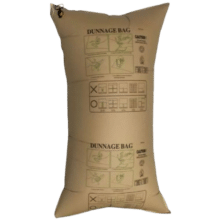
Kraft Dunnage Airbags Level1
Price range: €5.02 through €5.38 -
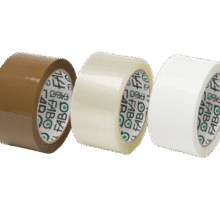
No Noise Acrylic Adhesive Tape
€1.18 incl. VAT (€0.98 excl. VAT) -
Sale!
Pallet stretch film 450mm 17-20 micr – 6 rolls in 1 box
Price range: €33.32 through €40.29 -
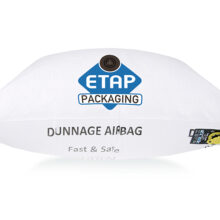
PP Dunnage air bag Level 1
Price range: €3.45 through €6.17 -
Heavy Duty Round Tube Cargo Bar
Price range: €38.72 through €42.35 -
Sale!
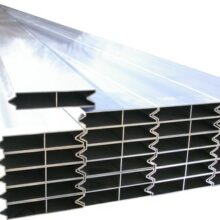
Aluminum Cargo lock plank 2700x120x30mm
Original price was: €54.45.€36.30Current price is: €36.30. incl. VAT (€30.00 excl. VAT) -
Aluminum trailers side board 3300x120x25mm
€54.45 incl. VAT (€45.00 excl. VAT) -
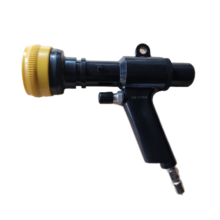
Inflator Air Gun For Dunnage Bag
€48.40 incl. VAT (€40.00 excl. VAT) -
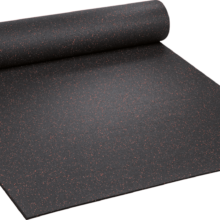
Anti-slip mats made in Germany 3, 6, 8 mm
Price range: €151.25 through €157.30 -
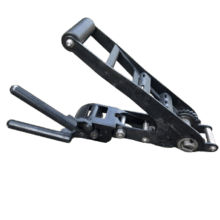
Cordstrap Manual Lashing Tensioner — Woven Lashing / Webbing, 25–40 mm
€302.50 incl. VAT (€250.00 excl. VAT) -
Steel One Way Lashing Buckle 42 mm (50 pcs/cart)
€60.50 incl. VAT (€50.00 excl. VAT) -
Manual Inflator for Dunnage Airbags
€42.35 incl. VAT (€35.00 excl. VAT)





What is cargo blocking and when is it used?
Cargo blocking is a form-locking securing method that fixes freight in position by bracing it against the vehicle’s headboard, side walls or purpose-made devices, so the load cannot slide or tip during transport. Under EN 12195-1, blocking is often more efficient than tie-down lashing, because it transfers inertial forces directly into the vehicle structure. In addition, typical equipment includes cargo bars, void fillers and dunnage air bags, edge protectors and anti-slip mats. For example, anti-slip mats raise the friction coefficient (µ) to around 0.6, which reduces the number of tie-down lashings required. Therefore, blocking and lashing are frequently combined to meet the securing forces calculated to EN 12195-1.
Cargo blocking equipment at a glance
Because each load behaves differently, the products below are usually combined. However, always calculate the securing forces to EN 12195-1 first.
| Product | Function | Note |
|---|---|---|
| Load / cargo bars | Brace the load against walls; prevent forward and rearward shift | Adjustable, quick to fit |
| Dunnage air bags | Fill voids between pallets and rows | Rated by burst pressure and gap width |
| Anti-slip mats | Increase friction coefficient µ to ~0.6 | Fewer tie-downs needed |
| Edge / corner protectors | Spread strap pressure; protect load and strap | Extend strap service life |
Cargo blocking — frequently asked questions
Show FAQ
Is blocking better than lashing? Under EN 12195-1, form-locking transfers inertial forces directly into the vehicle and is often more efficient. However, many loads need blocking and lashing combined for full compliance.
What friction coefficient do anti-slip mats give? Quality rubber anti-slip mats typically provide a friction coefficient (µ) of about 0.6, whereas wood-on-wood is only 0.2–0.45. Therefore, they reduce the number of tie-downs required.
What are dunnage bags used for? Dunnage air bags fill the gaps between cargo units, so they cannot shift. Moreover, they are rated by burst pressure and gap width and are widely used in containers.