
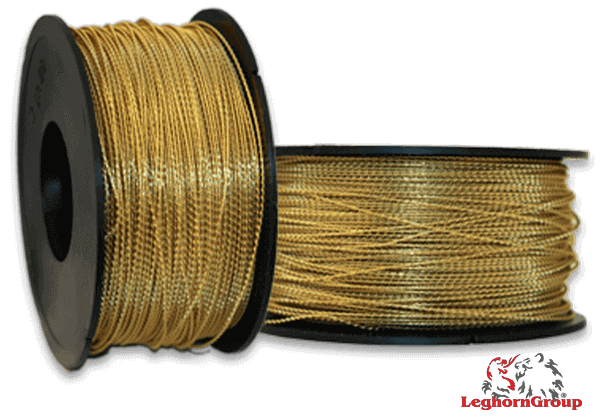
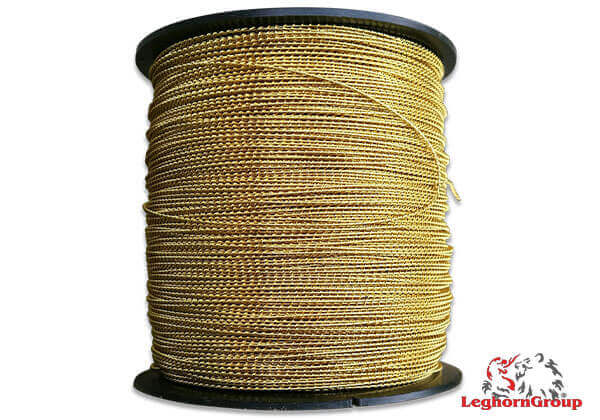
Brass Sealing Wire – 1 mm Red Brass, Spiral
Brass sealing wire shares the same proven design and use as copper sealing wire, yet it delivers noticeably higher strength. Because refineries and fuel-handling sites demand reliable tamper protection, this wire — paired with a matching wire seal — gives them an essential safeguard against unauthorised access.
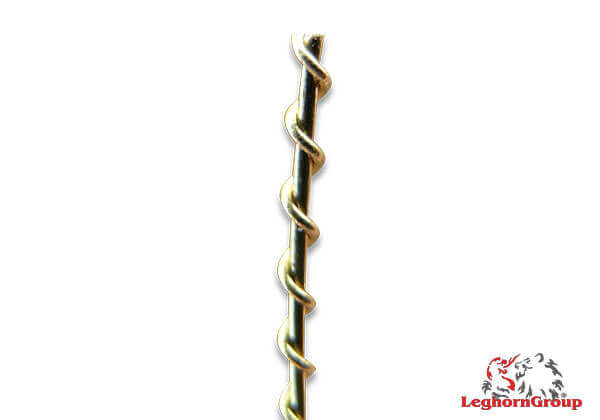
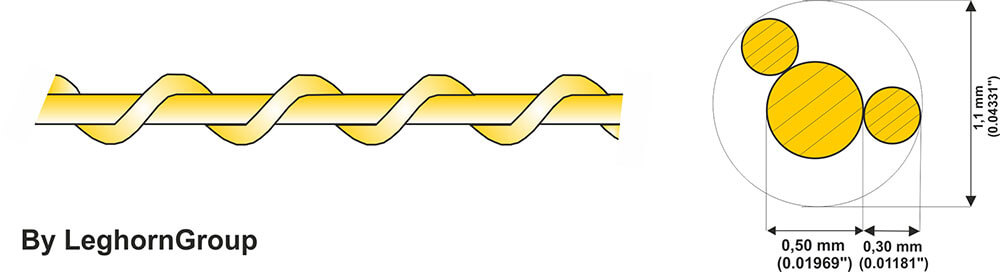
The wire takes a spiral form with a 1 mm diameter, and a 0.50 mm core carries a 0.30 mm wire wound around it. Moreover, its higher breaking load of 400–430 N/mm² makes it tougher than copper, so it holds up well in demanding industrial conditions. As a result, you get a secure, flexible wire that threads easily and locks firmly once you press the seal onto it.
In addition, it works with all types of wire security seals, including twist seals and meter seals for electricity, gas and water. At LPX Trade, we dispatch it quickly from Liepāja, Latvia, and we deliver across the Baltics and the wider European Union.
Key features
- Material: Annealed red brass (67% Cu / 32% Zn)
- Diameter: 1 mm spiral (0.50 mm core + 0.30 mm spiral wire)
- High strength: Breaking load 400–430 N/mm² (stronger than copper)
- Tamper-evident: Locks firmly once pressed onto a seal
- Flexible: Easy to thread, glossy surface finish
- Versatile: Suits refineries, fuel handling, utilities and logistics
Technical data
| Property | Value |
|---|---|
| Material | Annealed red brass |
| Composition | 67% Cu / 32% Zn |
| Total diameter | 1.00 mm (±10% tolerance) |
| Breaking load | 400–430 N/mm² |
| Coil distance | 2.00 mm (50 coils per 100 mm) |
| Weight per metre | ~2.63 g (1 kg ≈ 380 m) |
| Elongation | 23% |
| Surface | Glossy |
Typical applications
Brass sealing wire works well for sealing and tamper-evidencing in:
- Refineries and fuel handling
- Utility and meter seals (electricity, gas, water)
- Transport and logistics
- Industrial valves, equipment and access points
- Any setting that needs a strong, flexible, tamper-evident wire
Frequently asked questions
How does brass sealing wire differ from copper?
Both share the same spiral design and method of use. However, brass offers a higher breaking load of 400–430 N/mm², so it gives you greater strength for demanding industrial settings.
What diameter and shape does it have?
It measures 1 mm in total diameter and takes a spiral form. Specifically, a 0.50 mm core wire carries a 0.30 mm wire wound around it at 50 coils per 100 mm.
Does it provide tamper evidence?
Yes. Once you press a seal onto the wire, it locks firmly and resists removal. Therefore, any tampering attempt shows clearly.
Where do people typically use it?
Refineries and fuel-handling sites rely on it most, but it also suits utilities, logistics and general industrial sealing.
| Weight | 1 kg |
|---|---|
| Dimensions | 30 × 30 × 15 cm |