
Seals Accessories
Showing all 10 resultsSorted by popularity
-

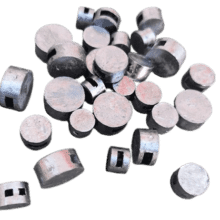
Lead seal Ø11 mm in carton 10 kg
€18.15 incl. VAT (€15.00 excl. VAT) -
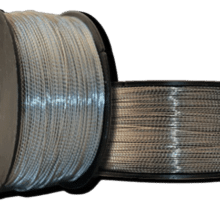
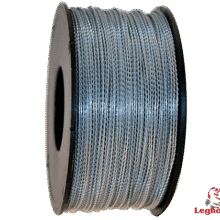
Galvanized Steel Sealing Wire 1 mm (Spiral)
€20.70 incl. VAT (€17.11 excl. VAT) -
Extension tie for metal ball seals
€54.45 incl. VAT (€45.00 excl. VAT) -
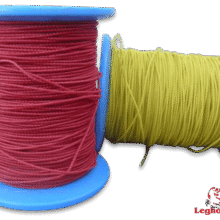
Plastic Coated Galvanized Sealing Wire 1 mm
€49.60 incl. VAT (€40.99 excl. VAT) -
Nylon Copper Sealing Wire 1 mm
€27.29 incl. VAT (€22.55 excl. VAT) -
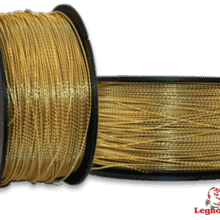
Brass Sealing Wire 1 mm (Red Brass)
€55.73 incl. VAT (€46.06 excl. VAT) -
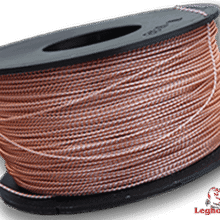
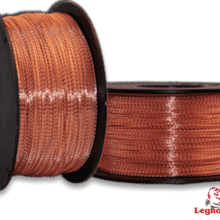
Copper Sealing Wire 1 mm (Red Copper)
€57.28 incl. VAT (€47.34 excl. VAT) -
Stainless Steel Sealing Wire 1 mm (AISI 304)
€34.15 incl. VAT (€28.22 excl. VAT) -
Sealing wire 1.1 black
€22.99 incl. VAT (€19.00 excl. VAT) -
Clamp for gas and water meters
Price range: €0.30 through €0.67



What is sealing wire and where is it used?
Sealing wire is the thin twisted wire that threads through a lead or pull seal to secure meters, cabinets, wagons and public assets. Because it passes through the item and the seal, cutting or removing it leaves clear evidence of tampering. In addition, it comes in several materials — galvanized steel, copper, brass, nylon-copper and stainless — so the choice depends on strength, corrosion resistance and the method. Most types are supplied on spools, together with matching lead seals and fittings. Therefore, this indicative approach suits utility metering, customs and asset control rather than high-security barrier sealing.
Materials and uses
Because conditions differ, the table below compares the main wire types and their typical use.
| Material | Property | Typical use |
|---|---|---|
| Galvanized steel | Strong, low cost | General lead-seal work, wagons |
| Copper | Soft, easy to twist | Meters, electrical assets |
| Brass / red brass | Corrosion-resistant | Damp or outdoor sealing |
| Nylon-copper | Coated, low-marking | Sensitive surfaces |
| Stainless (AISI 304) | High corrosion resistance | Harsh or wet environments |
Sold by spool; pair it with matching lead seals and a sealing tool.
Frequently asked questions
Show FAQ
What is it used for? The wire threads through a lead or pull seal to secure meters, cabinets and wagons. Because removal leaves clear evidence, it shows tampering rather than resisting forced entry.
Which material should I choose? Galvanized steel suits general work, copper is soft and easy to twist, and brass or stainless resist corrosion. Therefore, match the material to the strength and the environment.
Is this high-security? No. Wire and lead seals are indicative, so they reveal tampering. For barrier strength, choose a bolt or cable seal instead.