
Plastic Seals
Showing 13–24 of 24 resultsSorted by popularity
-

Plastic seal ES 15
€0.61 incl. VAT (€0.50 excl. VAT) -
Plastic seal PL95/17
€0.56 incl. VAT (€0.46 excl. VAT) -
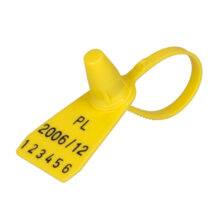
Plastic seal PL2006/12
€0.56 incl. VAT (€0.46 excl. VAT) -
Plastic seal PL91/18
€0.56 incl. VAT (€0.46 excl. VAT) -
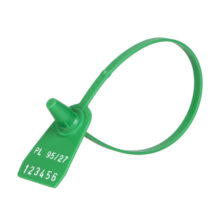
Plastic seal PL 95/27
€0.57 incl. VAT (€0.47 excl. VAT) -
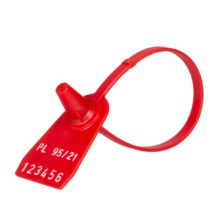
Plastic seal PL 95/21
€0.57 incl. VAT (€0.47 excl. VAT) -
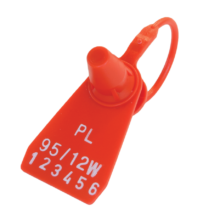
Plastic seal PL 95/12W
€0.56 incl. VAT (€0.46 excl. VAT) -
Plastic seal PL 95/12
€0.58 incl. VAT (€0.48 excl. VAT) -
Plastic seal PL 91/38
€0.57 incl. VAT (€0.47 excl. VAT) -
Plastic seal PL 91/32
€0.54 incl. VAT (€0.45 excl. VAT) -
Plastic seal PL 91/26 Yellow
€25.41 incl. VAT (€21.00 excl. VAT) -
Plastic seal PL 10/40
€0.58 incl. VAT (€0.48 excl. VAT)



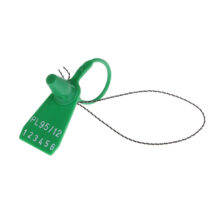
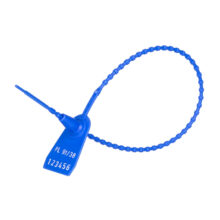

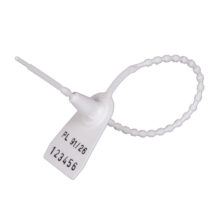

What are plastic seals and where are they used?
Plastic seals are one-time, tamper-evident devices that lock a closure and show visible proof if it has been opened. Because they are pull-tight (pull-through) designs, the tail passes through a locking chamber and cinches around the item — for example a truck door, a cash bag or a meter. In addition, most plastic types are “indicative” rather than barrier devices, so they reveal interference in the supply chain rather than resist forced entry. Every unit carries a unique serial number for tracking, and many come in several colours and strengths. Therefore, the right choice depends on the application, the required tail length and the strength needed.
Plastic seal types
Because applications differ, the table below groups the main pull-tight types and their typical use.
| Type | Strength | Typical use |
|---|---|---|
| Light-duty pull-tight | Low | Fire extinguishers, totes, first-aid boxes |
| Medium-duty pull-tight | Medium | Vehicle doors, catering carts, roll cages |
| Heavy-duty pull-tight | High | Bulk tankers, cash-in-transit, cargo doors |
| Metal-insert / detectable | High | Sacks, cages; food lines needing detection |
Choose the tail length and strength to suit the application; sold with sequential numbering.
Plastic seals — frequently asked questions
Show FAQ
What is a pull-tight seal? It is a plastic device whose tail passes through a locking chamber and cinches around the item. Because it cannot be reopened without breaking, it shows clear evidence of tampering.
Are plastic seals high-security? No. Most plastic types are indicative devices, so they reveal interference rather than resist forced entry. For barrier strength, choose a bolt or cable seal instead.
Can plastic seals be numbered? Yes. Each unit carries a unique serial number, and sequential numbering is available, which supports tracking and audit in the supply chain.